The Art and Technology of Lighting

Lighting uniquely blends art and science through the use of electronic and mechanical controls. This program offers a broad selection of Lighting courses addressing design, controls, and how light can be manipulated through reflection, color temperature, dimming, lenses, IoT, and much more. Additionally, courses may be included that involve the use of natural light for a variety of purposes through daylight harvesting, fenestrations, filters, lenses, shades, films, and interlocking woven coils, textiles, plastics, and metals. Additionally, light components which may impact heat load, solar heat collection, or energy generation and storage, may also be located here. To search for related topics that are just a part of a larger discussion of Architecture, Design, and Building Science, please use the keyword search engine.

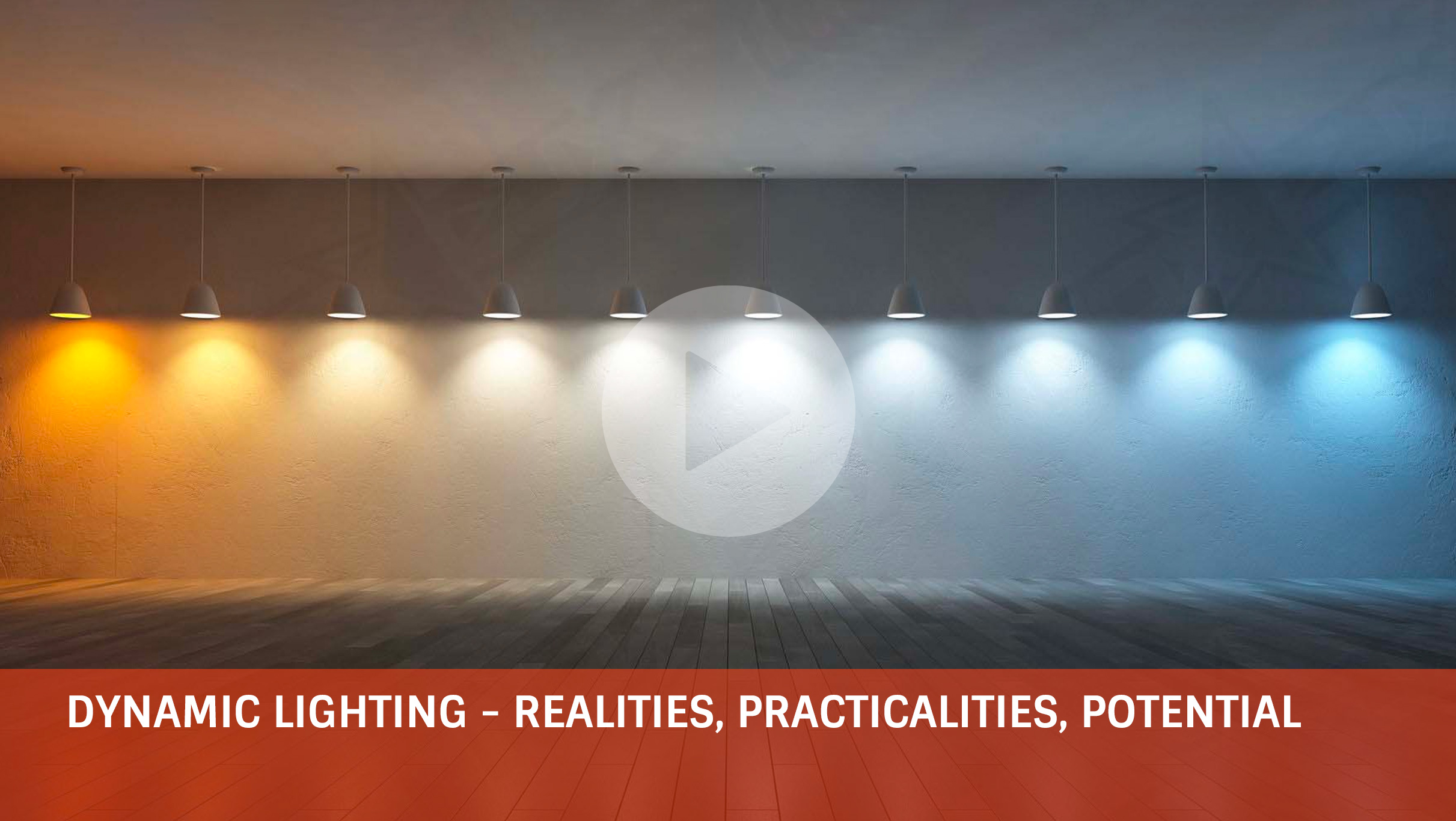
Dynamic Lighting - Realities, Practicalities, Potential

Dynamic lighting, also known as tunable, color-changing, and circadian lighting, is being adopted and employed in current lighting designs.  There are many studies showing the benefits of dynamic lighting in built environments.  Early adopters have seeded the market and several lighting manufacturers now employ some level of Dynamic Lighting. This course is intended to explore what  Dynamic Lighting is, how it works in commercial luminaires, how to control it, and where the lighting community is being directed by standards, regulation, and voice of the customer. 

At the end of this course, participants will learn:

  1. Define elements of dynamic lighting.
  2. Learn the uses of dynamic lighting.
  3. See illustrations of how to control dynamic lighting.
  4. Become aware of the regulations, standards, and customer requests that are driving adoption.
Egress Marking and Illumination ISO-0501

This course is designed to introduce the architect to egress marking systems that are used for ordinary way finding and building evacuation in emergency situations. These signage systems are meant to be selected and installed according to specific standards established by building codes. Additionally, once installed, these systems must be tested to assure their efficacy in case of an emergency. How to select and specify the appropriate markers and the technological solutions available, as well as testing methods, will all be covered in this course.

HSW Justification:
Building exit markings are critical to the health, safety, and welfare of building occupants during emergency situations.

Learning Objective 1:
When this course is complete the student will will understand egress signage obligations as imposed through building codes and standards.

Learning Objective 2:
The student will further understand the various technologies available to address those signage codes and standards.

Learning Objective 3:
And, the student will learn what the requirements are to conduct on-going testing of egress systems after installation.

Meet the Expert

Egress Path Lighting & Emergency Lights ISO 502

This course is designed to introduce the architect to emergency lights. These lights are meant to be selected and installed according to specific standards established by building codes. Additionally, once installed, these systems must be tested to assure their efficacy in case of an emergency. How to select and specify the appropriate markers and the technological solutions available, as well as testing methods, will all be covered in this course.

HSW Justification:
The selection and implementation of a proper emergency lighting program is essential to the life safety of a building's occupants.

Learning Objective 1:
The student will understand egress signage obligations as imposed through building codes and standards.

Learning Objective 2:
The student will further understand the various technologies available to address those signage codes and standards.

Learning Objective 3:
The student will learn what the requirements are to conduct on-going testing of egress systems after installation.

Meet the Expert

ISO-1002: Inverters

Inverters are a modern, simple way to achieve an emergency lighting solution while minimizing maintenance costs and utilizing existing architectural fixtures for emergency purposes. This course will give the student the skills they require to design and specify inverter-based emergency lighting systems.

Meet the Expert

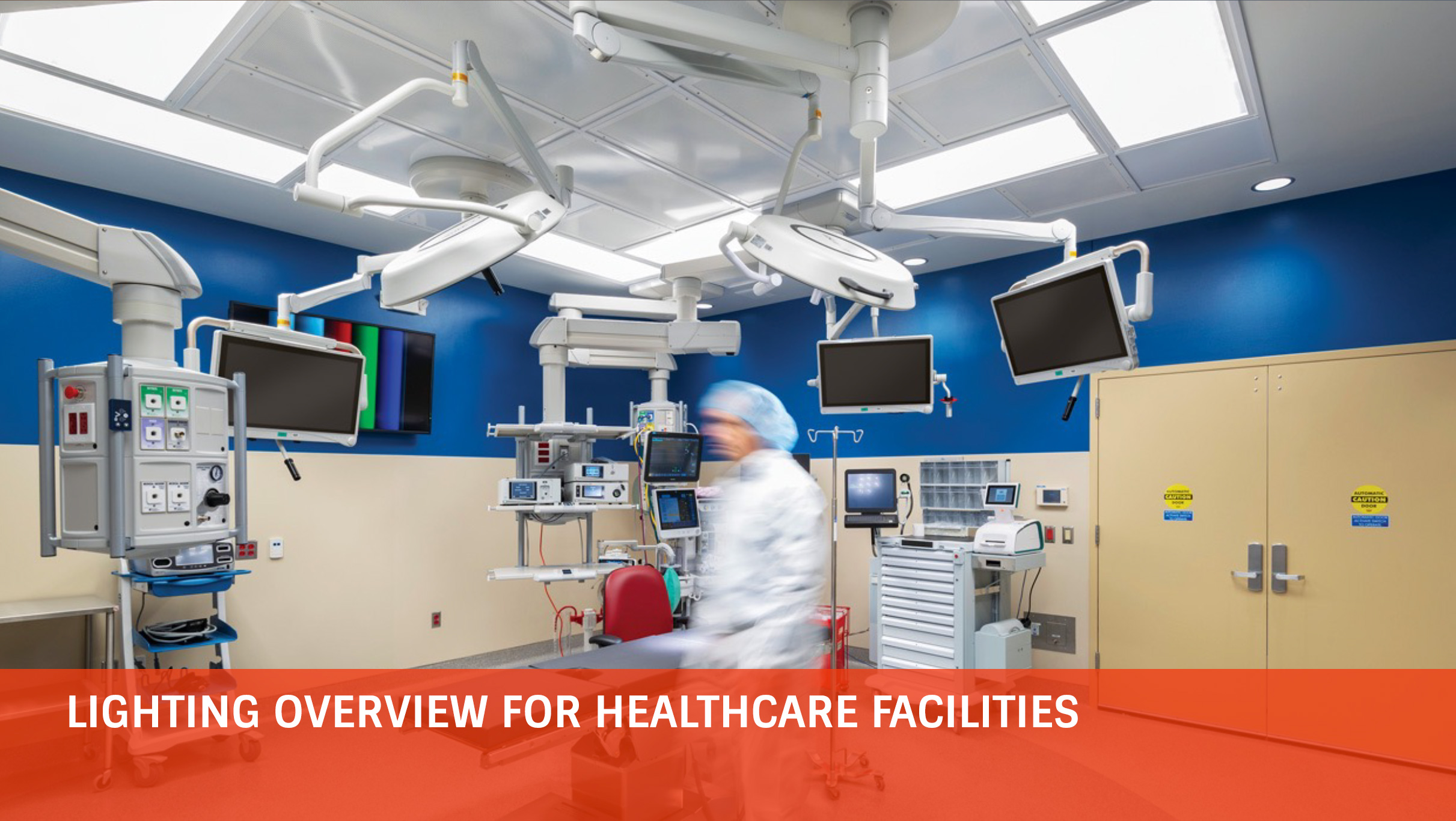
Lighting Overview for Healthcare Facilities

 The class is a high-density orientation to lighting considerations and methods in the healthcare environment. Topics will include application situations, impacted populations, design methods, and a review and critique of examples of successful and less-than-successful healthcare lighting designs.

At the end of this course, participants will:

  1. Identify current trends in the healthcare lighting design and the impact lighting has on its occupants and the environment. 
  2. Identify who is impacted by our lighting design decisions and learn best practices on how to light the spaces they occupy.
  3. Identify specific lighting needs of patient rooms.
  4. Identify emerging lighting methods including design for circadian health.

Your session will expire soon. Click below to stay logged in.

Stay Logged In Logout
×